By Celeste Riddle
This month we’ll continue with ways to reduce our exposure to plastics. Plasticizers—the most common of which are called phthalates (pronounced tha layts)—are used to make plastic more flexible and durable and are so widely used that they show up inside almost all of us! They show up along with bisphenols, such as BPA, and both types of chemicals have been linked to a long list of health concerns, even at very low levels. BPA, or bisphenol A, is a synthetic chemical used to make certain types of hard, clear polycarbonate plastic and epoxy resins. These materials are found in products like reusable water bottles, food storage containers, and the linings of food and beverage cans. BPA can leach into food and drinks, especially when the plastic is heated. You will see “BPA Free” on some of these items due to their potential health concerns. Look for it when you shop.
What are the harmful effects of phthalates? It has been shown in tests that those who were exposed to more phthalates are more likely to develop type 2 diabetes. Higher phthalate levels are also connected to obesity, perhaps because the chemicals affect the hormones that regulate fat tissue. Since phthalates can affect hormones, this, in turn, can affect fertility and development. Early efforts to limit exposure to them focused on food packaging, but it’s clear that phthalates, in particular, can also get into our food from the plastic in the tubing, conveyor belts and gloves used during food processing, and can even enter directly into meat and produce by way of contaminated water and soil. While we wait for the big policy changes that are needed to address the health risks posed by phthalates and bisphenols, there are some things you can do to help to protect yourself and your family. Here are six steps you can take:
Avoid plastic food storage containers. If you do use them, don’t heat them in the microwave and avoid using them to store hot food because heat can increase leaching. Consumer Reports picks glass and steel food storage containers as good alternatives. Keep food well below the top of the container to avoid contact with the plastic lids.
Steer clear of fast foods! Easy to say; hard to do, but Consumer Reports testing found some of the highest levels of phthalates and phthalate substitutes are in fast food. Although we don’t know the exact reason why, one possible explanation is that fast foods are often prepared by people wearing vinyl gloves which are known to be extremely high in these chemicals.
Limit high-fat foods. Research has found higher levels of plasticizers, many of which are known to be fat-soluble, in foods with higher fat content. For example, one review reported that levels of DEHP (chemical used to make plastic softer and more flexible) were often almost five to ten times as high in cream as they were in milk.
Eat fresh, minimally processed food. Make sure your diet includes plenty of unpackaged fruits and vegetables which have fewer chances to be contaminated. No need to put bananas or other produce in plastic bags! A recent study found that people who ate more ultra-processed foods, such as, French fries and ice cream bars, had higher levels of certain phthalate byproducts in their urine.
Choose wood, stainless steel and silicone for kitchen tools. Chopping on a plastic cutting board can generate microplastics, so consider using a wooden or silicone board instead. Some plastic uses are probably riskier than others, such as, dumping hot food into a plastic bowl and using plastic wrap for leftovers which may expose you more than giving your lettuce a quick dry in a plastic salad spinner, for example.
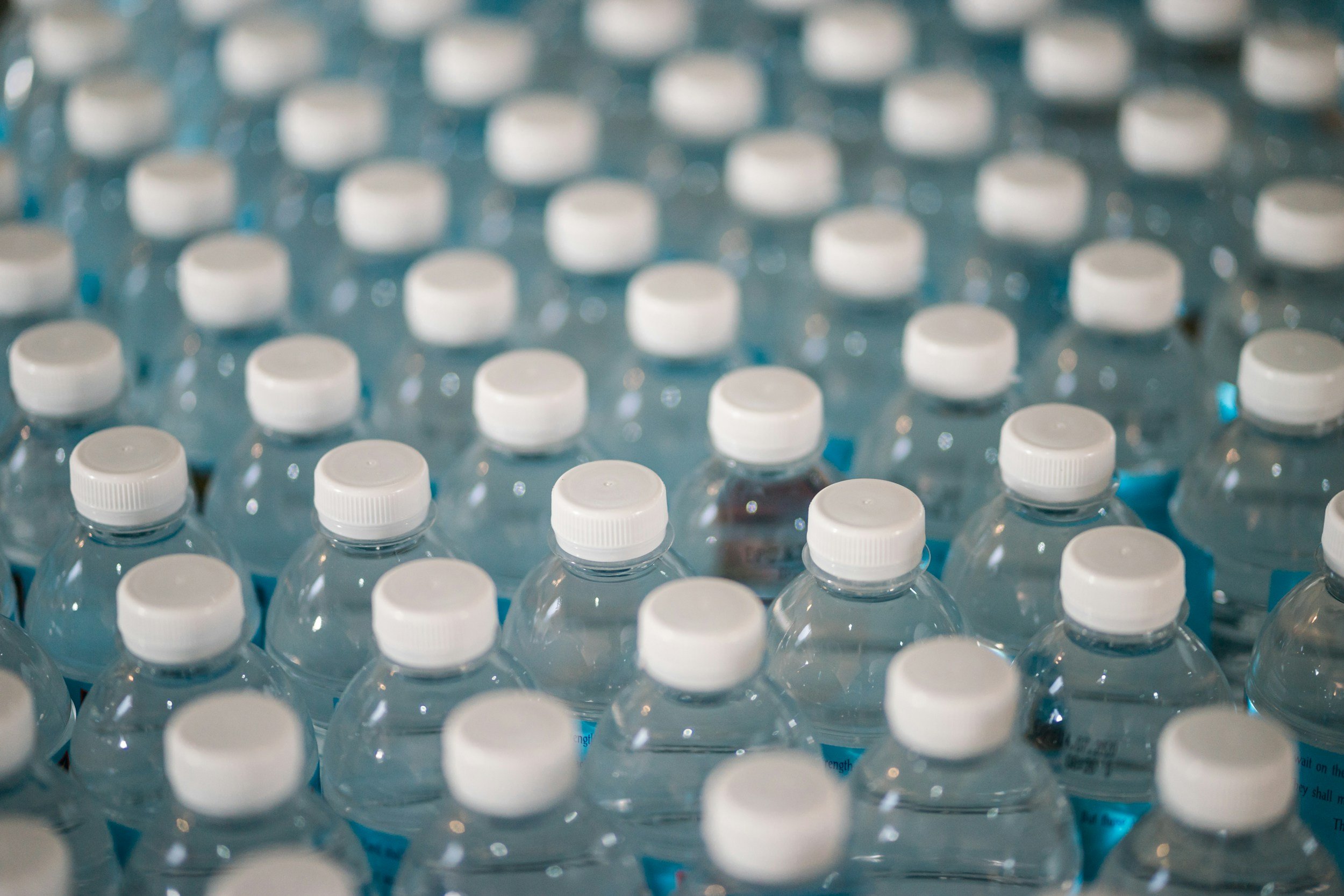
Use water bottles made of glass or steel. Avoid plastic bottles and cups, which are often made with bisphenols. Carrying your own stainless-steel straws can also make it easier to say “no” to plastic straws. And as a bonus, you’ll reduce the amount of trash you generate.
Food isn’t the only way you’re exposed to these chemicals, so if you want to reduce your exposure to them, think broadly. Phthalates, for example, which are a viscous liquid in their raw form, are also a common ingredient in perfumes, cleansers, shampoos and other cosmetics, and are sometimes used in flooring and furniture. Here are a few smart steps you can take to try to eliminate or reduce your exposure:
Go fragrance free! Soap, cosmetics and cleaners with fragrances often use phthalates, especially DEP, as a solvent. DEP chemicals refer to Diethyl Phthalate (DEP), a colorless liquid used as a plasticizer and solvent in products like fragrances, cosmetics, and certain industrial and medical applications. Its primary function is to help fragrance components blend evenly and last longer by slowing down their evaporation. While some organizations deem it safe, other research has raised concerns about its potential for reproductive and hormonal effects. Read labels!
Open your windows! Since phthalates can be used in furniture, shower curtains and flooring, they can accumulate in household dust, which you then inhale. Ventilation is important, and if you’re vacuuming, make sure you do that with the window open!
Refuse paper receipts! Yes, really. Go for the digital choice instead. Thermal paper receipts (the ones that are a little glossy) are often coated in bisphenols.
Limit your use of vinyl! Plasticizers are usually a key ingredient in vinyl products. When possible, choose alternative materials for shower curtains, flooring, car interiors and clothing. Note that vinyl is sometimes called “vegan leather.”
You can try your best to be a safer and wiser consumer and follow these steps to become healthier and to help to Save Our Planet.